"Want to take a walk?" - my friend Mari texted. I hadn't talked to a human all day. I did want to take a walk.
But I didn't go.
It was 6pm. Mari was a 45 minute bus ride away. By the time I got there, the sun would be setting. After the walk and an hour and a half of commuting, I wouldn't have time to do laundry.
I had a full social life. On paper. Dinners, sports leagues, group chats, trips. But I somehow felt simultaneously overscheduled and lonely. Every social interaction required an act of will and a bus ride.
At some point I had an idea so obvious it seemed stupid: what if I just ...met my neighbors?
So I went looking for people who had already met their neighbors.
I met people with extraordinary conviction, organizational skills, geographic commitment, and a full-time unpaid job. They had built their own thriving neighborhood communities by knocking on doors, organizing block parties, and spending years building relationships.
Well. If that's what it takes to meet our neighbors, 99% of us are doomed to an eternity of commuter loneliness.
Few of us volunteer as social leaders at all. Those who do are busy building friend groups, hobby groups, cause-based communities, not neighborhoods. I've never lived near a neighborhood community builder. No one I know has either.
This only reinforced my conviction that we need an easier path to local community. For the average person.
"Surely someone's already built this," I thought. A civic nonprofit? A cool founder type? Nextdoor? But they hadn't.
So I built a thing.
I matched people living nearby for 10-minute chats: an easy way to say hi, without planning or the pressure to commit to something longer. If I made friends, that would be awesome. If I met nice people to wave to at the grocery store, that would be awesome. If I found a vacation pet-sitter for my parrot, that would be awesome too.
So I put a flyer in my building: "Meet your neighbors!"
Not a single person scanned it.
I almost gave up. But something kept nagging at me. Every psychology paper I'd ever read agreed that we don't socialize enough for our own wellbeing. And neighbors seemed like such an obvious solution.
The problem, I realized, was the approach.
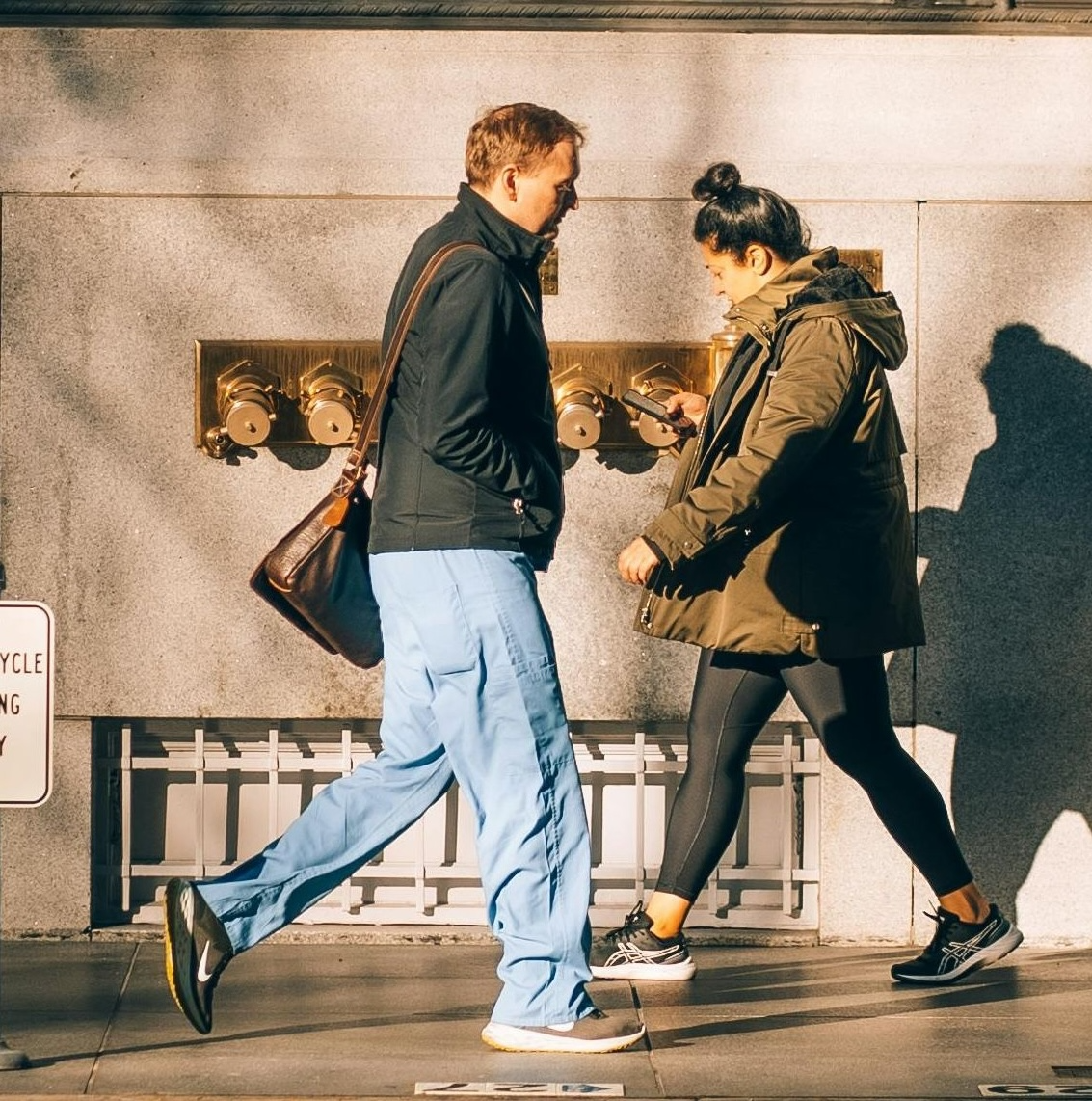
"Meet your neighbors" didn't resonate because most people in my neighborhood (transplants, renters, people who'd moved for a job) didn't have a mental model for neighbors as a source of connection. Neighbors are people you avoid in the elevator. Not people you actually know.
So I tried different flyers: "Friends? Neighbors make the best friends, because they're already here." "Cowork? Join our coffee shop coworking group chat."
With these, strangers were making accounts on an unheard-of app from a flyer on the street.
A neighbor down the block from me made an account. Someone at a meetup told him "there is this neighbor meeting app you should try." Someone in a different state made an account because they zoomed in on a friend's Strava photo, saw my flyer, and thought it looked interesting.
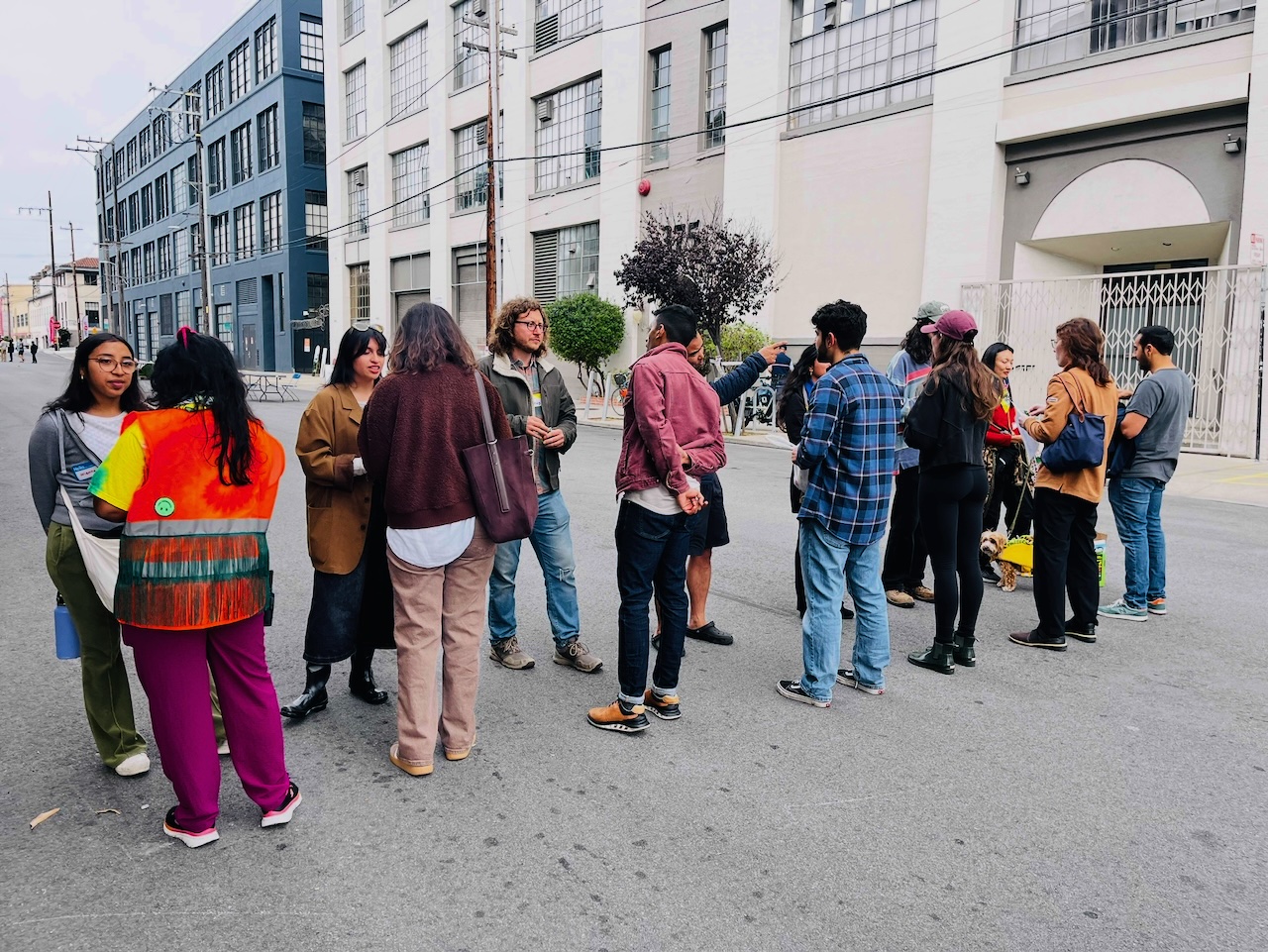
I've watched my own neighborhood community grow through this project. Many of us had lived here for years and didn't know anyone around. People have made friends in their own buildings. One neighbor even hired another one. There were great people around the corner all along. We just needed a way to meet.
In the process, I seem to be becoming one of those rare neighborhood community builders I'd gone looking for. Except I got here by accident, through a flyer and some code.
What was missing in my neighborhood was something that makes meeting the people around us normal, routine, unremarkable.
Some of us will meet one neighbor. Some of us will make a friend. Some of us will build a whole community.