For people who bring people together

Build a community that doesn't depend
on you to make every connection.

You organize the gatherings, create shared spaces, and give people a reason to feel part of something bigger than themselves.

But what if neighbors had more ways to find each other, get involved, and start things themselves — without needing you to make everything happen?

Illustrated neighborhood park where neighbors gather, play, volunteer, and help each other.

Community organizers make something important possible.

A block party, a neighborhood club, a regular gathering at the park — these do more than bring people together for an afternoon.

They give people a sense of belonging. They help neighbors recognize each other. They make community visible, so more people can imagine being part of it.

That human work is irreplaceable.

But there's a limit to how many connections any one person can make happen.

You can't personally introduce everyone who might become friends, discover every shared interest, or help each neighbor find their place in the community.

And you shouldn't have to.

What if more of community life could happen between the events you organize?

Imagine a neighborhood where...

New neighbors already have a few familiar faces.

Instead of waiting for the next gathering or for someone to find time and confidence to knock on their door, someone moving into the neighborhood is introduced to a few people nearby for simple, 10-minute hellos.

More people feel comfortable showing up.

Someone who's curious about your neighborhood potluck but hesitant to arrive alone discovers that a neighbor they've already met is going too.

People can find the groups that already exist.

A neighbor who wants to play pickup soccer discovers there's already a weekly group with a WhatsApp chat — rather than going years without knowing about it.

New activities start because people find each other.

Ten neighbors discover they all want to play mahjong. Instead of waiting for someone to organize a neighborhood-wide event, a few decide to start a game.

Neighbors help each other in small ways.

Someone looking for a pet sitter can find nearby people open to swapping favors, without having to broadcast a request to an entire neighborhood listserv.

None of these things needs to become another task on an organizer's to-do list.

From one connector to a connected neighborhood.

One person brings neighbors togethe

The connections begin with an organizer.

A whole neighborhood starts connecting

Relationships grow between neighbors.

Not to replace the human work of bringing people together. To help that work go further.

This is the idea behind Hey There, Neighbor.

It's a simple way for interested neighbors to discover one another, meet for short introductions, find existing groups, and connect around things they'd like to do together.

An organizer can introduce it through the spaces and channels people already trust — a neighborhood club, a welcome email, a community event, or a flyer.

From there, neighbors can begin making their own connections.

And it doesn't mean moving your community into another platform. Existing clubs, events, and WhatsApp groups can keep doing what they already do. The goal is to help more people discover and participate in them.


From organizing every interaction to creating the conditions for more connections.

A strong neighborhood still needs people who welcome newcomers, bring residents together, create shared traditions, and give the community a sense of identity.

Technology can't do those things.

But it can make it easier for people to find each other, discover opportunities to participate, and take small steps without needing someone to coordinate each one.

Not everyone will suddenly become a community organizer. Nor should they have to. Some people will start groups. Others will invite a neighbor to an event, offer a favor, or simply become one more familiar face on the street.

The hope is a community where more people can participate in shaping neighborhood life — and where more of that life continues between the things you organize.

An idea we're exploring together.

Hey There, Neighbor started with a simple question: What if meeting the people around us were a normal part of everyday life?

Now we're exploring what that could mean for existing neighborhood clubs, community groups, and the people who've already put so much work into bringing their neighbors together.

It's not a replacement for organizing. It's one more way to help the connections organizers spark grow into relationships, activities, and mutual support.

If you're building community where you live, I'd love to learn what you're doing and explore how these ideas might fit.

Roza

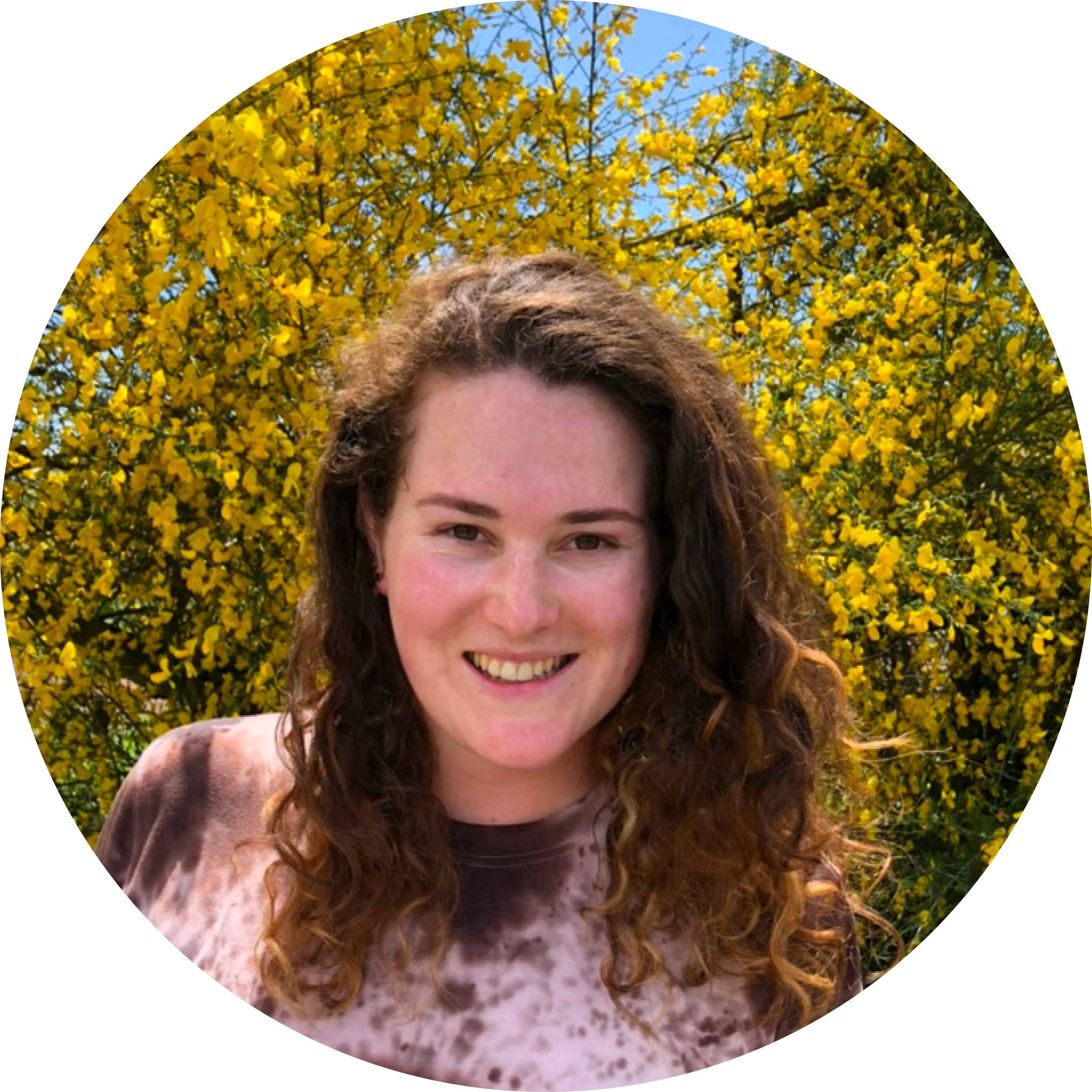
— Roza, founder of Hey There, Neighbor

Explore how neighbor introductions work