Community participation
70% know all neighbors by namevs.12% know none
In a 2009 survey, these shares had discussed community issues face to face with neighbors during the prior year.
Pew Research Center, 2010For civic leaders, town hall organizers & community organizations
The relationships people have with their neighbors shape how they share information, look out for one another, and take part in local life. Yet most neighborhoods have no simple way to help residents build those relationships.
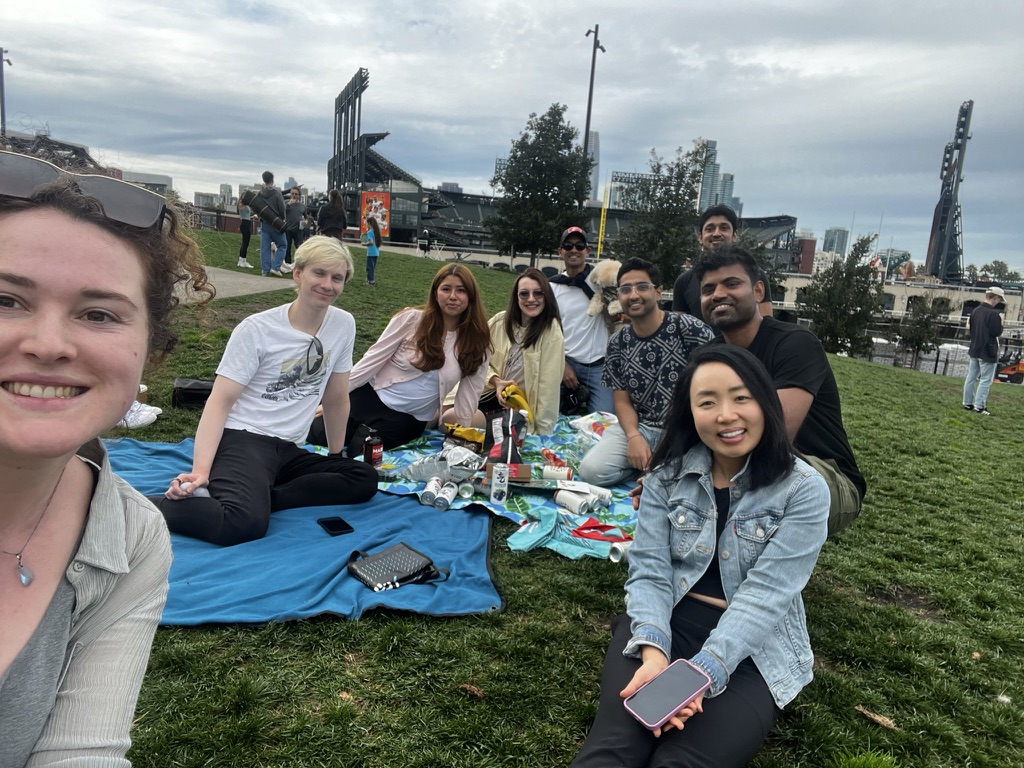
What if more residents knew each other before we asked them to get involved?
Why connection matters
Research links neighborhood connection with public participation, health, and resilience. It also shows how much room there is to grow.
Community participation
In a 2009 survey, these shares had discussed community issues face to face with neighbors during the prior year.
Pew Research Center, 2010An opening to connect
26%of U.S. adults said they knew all or most of their neighbors in a 2025 survey.
Pew Research Center, 2025Active living
+45 minof weekly aerobic activity was associated with higher reported neighborhood cohesion in an adjusted U.S. study.
CDC, 2019Disaster readiness
~2×the odds of perceiving their neighborhood as well prepared for a disaster among residents reporting high social cohesion after Superstorm Sandy.
Social Resources and Community Resilience, 2016These are associations in broader populations. They do not show that a single introduction causes these outcomes, or establish outcomes for Hey There, Neighbor participants. A separate study of 343 Chicago neighborhoods linked collective efficacy with lower violence.
The civic opportunity
These are ways stronger local relationships could support goals your office or organization is already working toward.
Residents have more chances to hear about local issues, discuss decisions, and arrive at a town hall knowing someone else in the room.
A familiar face can become a walking companion, a source of informal support, or a reason to use a nearby park.
Knowing who lives nearby creates a foundation for checking in, sharing information, and coordinating help when it matters.
Neighbors who find common interests may be better positioned to organize cleanups, volunteer, and advocate for improvements.
Introductions at local businesses and public spaces can give residents another reason to spend time close to home.
The missing first step
Meetings, volunteer days, and public programs often ask people to walk into a room of strangers. We help residents make an introduction before that invitation arrives.
Residents join with a general location and interests, then arrange a short, low-pressure introduction with a neighbor.
Familiar faces and shared interests can lead to a walk, a group, a local event, or a conversation about the neighborhood.
With more ties close to home, residents may find more opportunities and reasons to participate in community life.
An illustrative pathway we hope to evaluate with partners, not a proven causal sequence.
What a collaboration could look like
Hey There, Neighbor helps residents meet one another in person through short introductions. A civic partner can help choose the area, bring trusted local voices into the invitation, and identify what to learn together.
See the resident experienceInvite residents beyond the usual participants by helping them connect with neighbors first.
Help nearby residents get to know one another as a foundation for local preparedness work.
Connect people with shared interests in walking, public spaces, and neighborhood improvements.
Host introductions at participating businesses, as in Good Neighbor Week in East SoMa.
Hey There, Neighbor is nonpartisan. Neighborhood introductions are for building community relationships, not for collecting political preferences or campaign information.
Starting in San Francisco
As of August 2026, roughly 1,000 residents had signed up and 200 neighbor meetings had taken place. Neighborhood campaigns and local partners are helping more people discover an easy first introduction.
These early numbers show participation and feasibility. With civic partners, we’d like to learn whether introductions help residents find a neighbor they can call on, discover local activities, volunteer, or join neighborhood initiatives.
Let's build this together
We’re exploring collaborations with civic leaders, neighborhood organizations, and public agencies to help more residents get to know the people around them—and learn what those connections make possible.